Iran Congratulates Pashinyan on Election Victory, Reaffirms Importance of Ties with Armenia
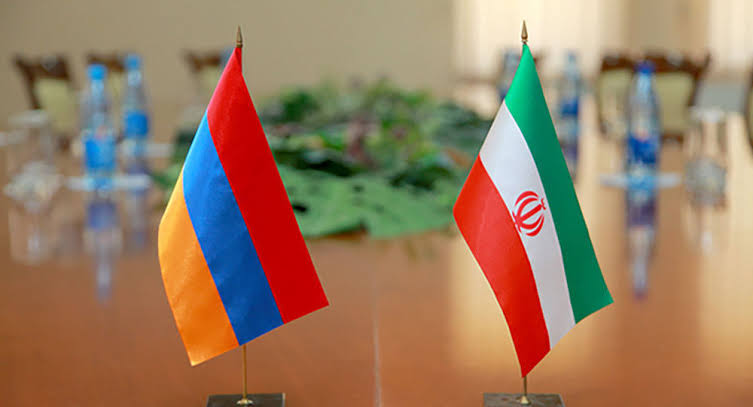
Tehran/Yerevan — Iranian Foreign Minister Abbas Araghchi has congratulated Armenian Prime Minister Nikol Pashinyan and his party on their victory in Armenia’s parliamentary elections, emphasizing that neighboring countries remain a priority in Tehran’s foreign policy.
In a message posted Monday evening on X, partly written in Armenian, Araghchi extended his congratulations to Pashinyan and welcomed what he described as favorable conditions for expanding constructive cooperation between Tehran and Yerevan.
“I sincerely congratulate Prime Minister Nikol Pashinyan on his party’s election victory. Our neighbors remain our priority,” Araghchi wrote.
The Iranian foreign minister also congratulated Armenia on the successful conduct of the parliamentary elections, saying Tehran looks forward to further strengthening the positive and dynamic trajectory of bilateral relations.
“We are pleased by the opportunities that have emerged to continue constructive cooperation aimed at reinforcing the positive and dynamic course of Iran-Armenia relations,” he said.
According to Armenia’s Central Election Commission, Pashinyan’s ruling Civil Contract Party secured 49.81 percent of the vote, comfortably defeating its competitors in the parliamentary election. The main opposition force, Strong Armenia, finished second with 23.29 percent.
The commission reported voter turnout of more than 58 percent among eligible voters in the landlocked South Caucasus nation of roughly three million people.
Following the announcement of the results, Pashinyan described the outcome as a “historic victory” that would ensure “the permanence and development of Armenia.”
He also pledged to continue pursuing a balanced foreign policy, promising to deepen relations with Russia while maintaining Armenia’s course toward closer engagement with Western countries.
The election result is expected to provide Pashinyan with a renewed mandate at a time when Armenia continues to navigate complex regional dynamics and reshape its foreign policy priorities.