Leaked US–Iran 14-Point Draft Signals Ceasefire Framework, Sanctions Relief and Nuclear Constraints
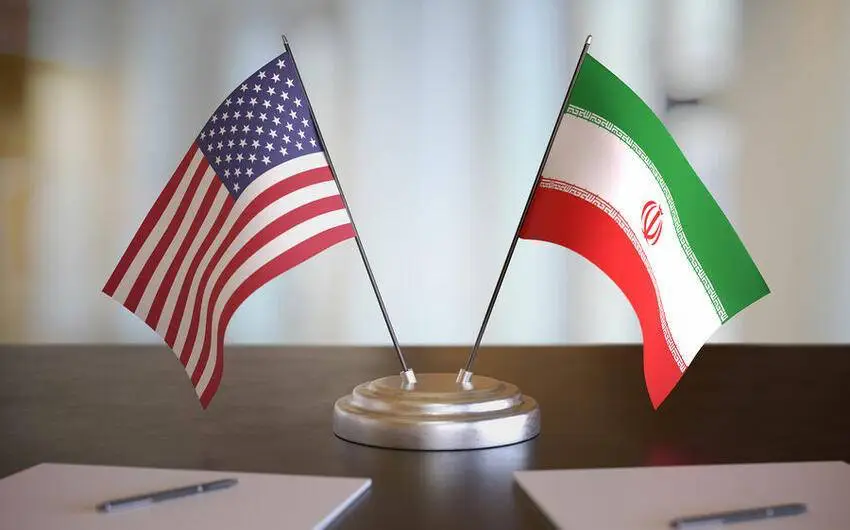
A leaked draft of a 14-point memorandum of understanding between the United States and Iran outlines a sweeping political framework that would reshape relations between the two adversaries, including a ceasefire, sanctions relief, and commitments on Iran’s nuclear program, according to a document obtained by CNN and reviewed by multiple diplomatic sources.
The agreement, described by officials as a non-final political document, reportedly reflects a tentative understanding reached through back-channel negotiations. It has not been officially released, and its wording may still change before a planned formal signing in Switzerland.
14 key provisions of the draft agreement
1. Ceasefire and end of hostilities
The United States and Iran, along with their respective allies, would declare an immediate and permanent end to hostilities across all fronts, including regional conflicts, and commit to avoiding any use or threat of force against each other.
2. Respect for sovereignty
Both sides reaffirm mutual recognition of sovereignty and territorial integrity and pledge non-interference in internal affairs.
3. 60-day deadline for final deal
The parties agree to negotiate a comprehensive final agreement within 60 days, extendable by mutual consent.
4. US naval and military de-escalation
Washington would lift what the draft describes as a “naval blockade,” restore maritime traffic within 30 days, and later withdraw forces from nearby regions following a final agreement.
5. Iran’s maritime commitments
Iran would facilitate the resumption of commercial shipping through the Persian Gulf–Sea of Oman route, including clearing technical obstacles and addressing maritime security concerns.
6. $300 billion reconstruction and development plan
The US, together with regional partners, would support a large-scale economic recovery framework for Iran, potentially including at least $300 billion in financing, subject to compliance with nuclear-related commitments.
7. Comprehensive sanctions relief
The US would commit to lifting all sanctions on Iran, including unilateral, secondary, and certain UN-related measures, according to an agreed timeline in the final deal.
8. Nuclear weapons pledge and unresolved uranium issue
Iran reiterates that it will never seek nuclear weapons. However, the draft leaves unresolved the status of Iran’s enriched uranium stockpile and other technical nuclear issues, to be addressed later.
9. Status quo during negotiations
Both sides agree to maintain current conditions: Iran keeps its nuclear program unchanged, while the US refrains from imposing new sanctions or escalating military presence.
10. Oil and petrochemical export waivers
The US Treasury would issue immediate waivers allowing Iranian oil and petrochemical exports, including related banking, shipping, and insurance services.
11. Release of frozen Iranian assets
The US would unfreeze restricted Iranian funds and make them accessible for use by Iran’s central bank under agreed financial mechanisms.
12. Implementation oversight mechanism
A joint mechanism would be created to monitor implementation and ensure compliance with the evolving agreement framework.
13. Transition to final negotiations
Formal negotiations for the final deal would proceed once initial steps—particularly on sanctions relief and de-escalation—are verified as underway.
14. UN Security Council endorsement
The final agreement would be submitted for approval through a binding resolution of the United Nations Security Council.
A fragile political framework
The draft is being described by US officials as a political memorandum rather than a binding treaty, with critical details—especially on Iran’s nuclear program—still under negotiation.
While the document suggests significant breakthroughs on sanctions relief and maritime security, key uncertainties remain, including the handling of Iran’s highly enriched uranium stockpile and the enforcement mechanisms of any final deal.
Iranian officials have questioned the accuracy of leaked versions, while US officials have reportedly downplayed the document’s legal weight, calling it part of an ongoing diplomatic process.
If finalized, the agreement would mark one of the most significant shifts in US–Iran relations in decades, but diplomats caution that the current draft remains highly provisional and politically fragile.